Summary of Negotiating for New Pathways to Protection: A Case Study of Humanitarian Corridors in Italy and Belgium (2015–2017)
This article examines the negotiation processes that enabled faith-based organizations to establish Humanitarian Corridors in Italy and Belgium between 2015 and 2017, arguing that their success rested on mutually beneficial arrangements with governments. Drawing on qualitative interviews, it shows that proposals were designed to align with existing legal frameworks, impose no financial cost on the state, and leverage established relationships to address political concerns. By balancing legal feasibility, operational collaboration, and political pragmatism, the initiatives demonstrate how non-state actors can effectively open new pathways to protection within existing state systems.
Refugee Hub
We work at the intersection of research, policy, and programming, fostering innovative, multi-sectoral partnerships in support of refugee protection in Canada and around the world. -- www.pathways.website
The views expressed are those of the author/s, and are not attributable to the host organisations of the Resettlement.Plus website.
Recent Updates
Research on refugee sponsorship in rural communities explores how community-led initiatives can strengthen...
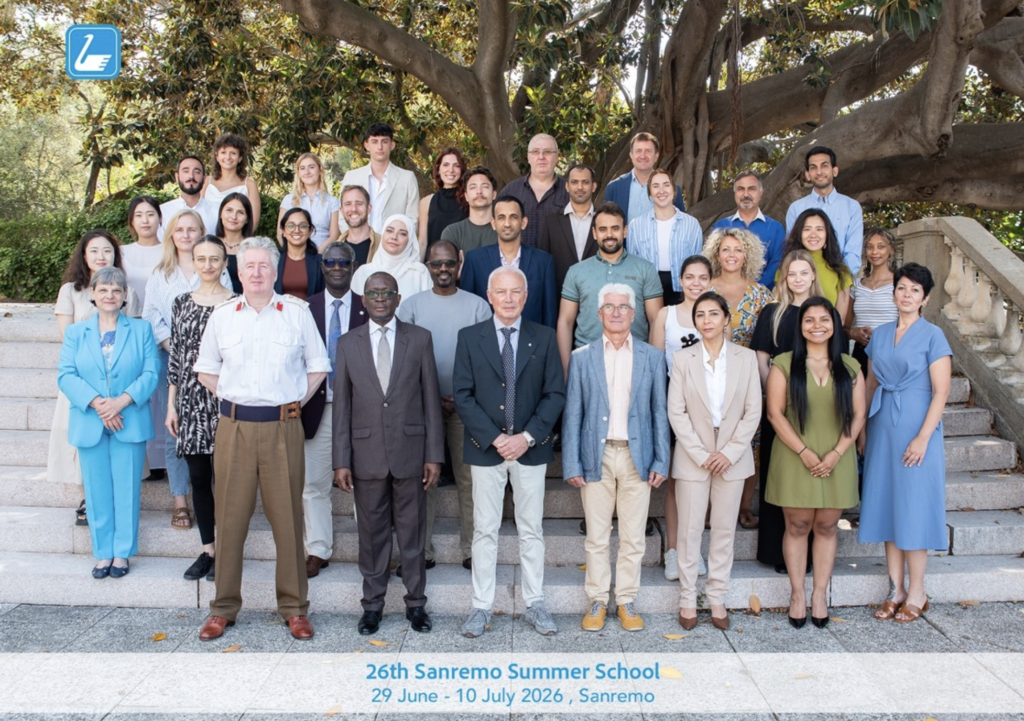
As a Pathways International-uOttawa Refugee Hub Fellow, Omer Malikyar attended the International Institute...
No posts found