

Written by: Omer Malikyar – Refugee Fellows at uOttawa Refugee Hub-Pathways International
Date: Friday July 17, 2026
As a Pathways International-uOttawa Refugee Hub Fellow, I have had the opportunity to engage with refugee policy, labour mobility pathways, and solutions for displaced communities through research and practice. Much of my work has focused on durable solutions, inclusion, and improving opportunities for refugees beyond emergency response. Yet, I have always believed that to contribute meaningfully to this field, it is equally important to understand the legal foundations that shape humanitarian action and the protection of people affected by conflict and displacement.
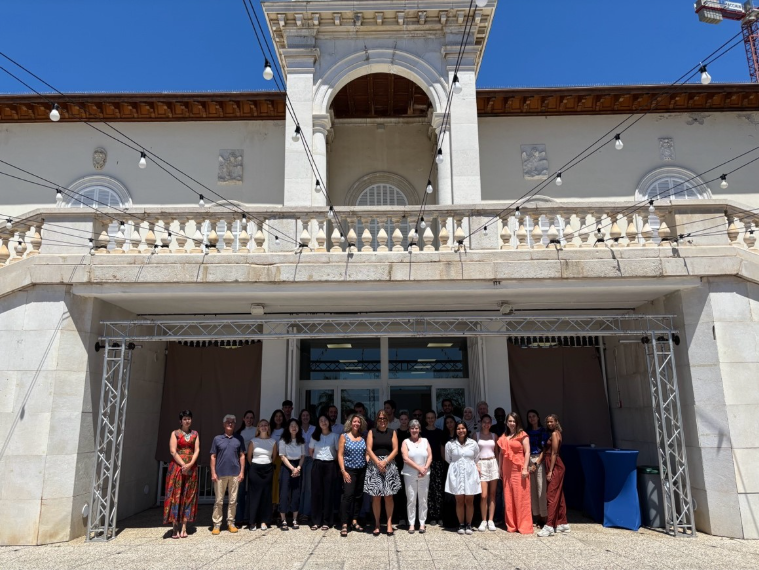
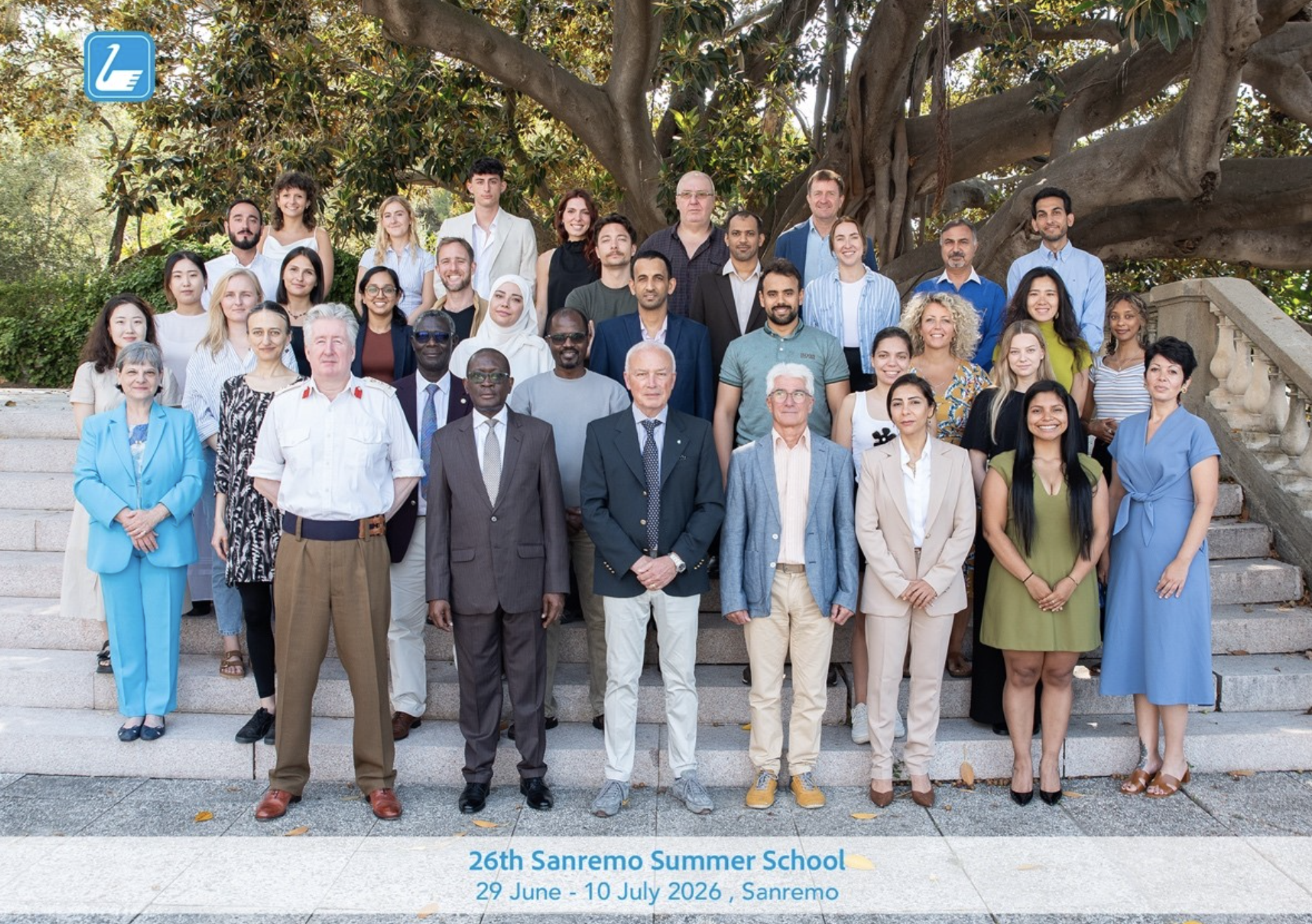
This is why attending the International Institute of Humanitarian Law’s Sanremo Summer School in Italy was such a valuable experience. Over two intensive weeks, I joined practitioners, policymakers, security officers, humanitarian workers, academics, representatives of governments and international and non-governmental organizations from countries around the world. Learning alongside such a diverse group created an environment where every discussion was enriched by different professional experiences, legal systems, and perspectives on today’s humanitarian challenges.
The course was thoughtfully designed, balancing legal theory with practical application. Rather than simply learning about international law through lectures, we explored how these legal frameworks operate in real-world humanitarian crises. Every day challenged me to think critically, question assumptions, and understand the difficult decisions faced by those working in conflict settings.
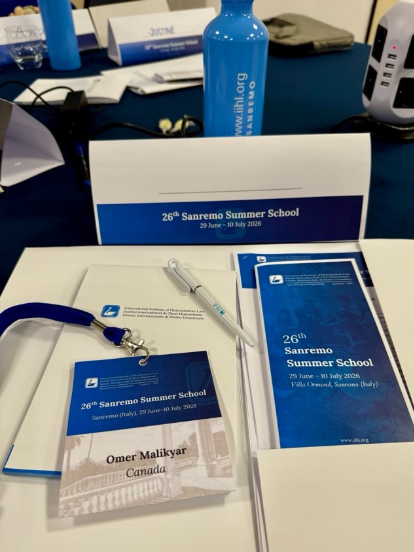
The first week focused primarily on International Humanitarian Law (IHL), an area in which I had relatively limited academic and professional background. Coming into the course, I understood the basic purpose of IHL, but I had never studied its principles in depth. Throughout the week, we explored the foundations of the law of armed conflict, including the classification of conflicts, the principles governing military operations, means and methods of warfare, occupation, command responsibility, war crimes, and the relationship between International Humanitarian Law and International Human Rights Law.
Learning these concepts from security professionals, legal practitioners, and experts who have spent decades applying these rules in operational settings made the experience particularly meaningful. Instructors explained how legal principles guide real-world military decision-making, humanitarian operations, and accountability mechanisms during armed conflicts.
The second week shifted toward refugee and migration law, humanitarian protection, and displacement, subjects that connected closely with my own academic interests and professional work. Building upon the legal foundations established during the first week, we examined the international refugee protection framework, refugee status determination, asylum systems, complementary pathways, climate-induced displacement, protection at sea, mixed migration movements, and disaster law.
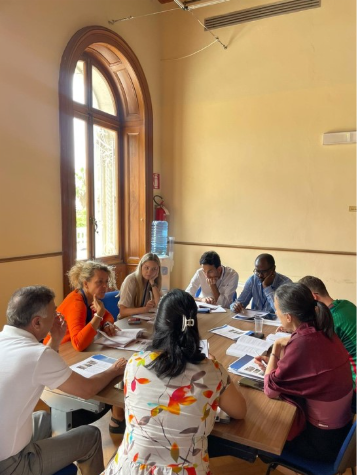
What I appreciated most during the second week was hearing directly from professionals who work on refugee protection every day. Policymakers, humanitarian practitioners, legal experts, and protection officers shared firsthand experiences from refugee camps, asylum systems, border contexts, and international organizations. Their perspectives demonstrated how legal principles are translated into practical protection measures while also revealing the many obstacles that practitioners encounter on the ground.
For someone whose work focuses on refugee inclusion and durable solutions, these conversations were incredibly insightful. They reminded me that refugee protection is not only about legal status but also about dignity, access to rights, long-term opportunities, and creating systems that allow displaced people to rebuild their lives. As part of my Pathways International-uOttawa Refugee Hub Fellowship, much of my work focuses on expanding complementary pathways and improving opportunities for displaced people. The course gave me a stronger legal foundation for that work, particularly in understanding how international protection frameworks connect with practical policy solutions. It also challenged me to think more critically about how legal obligations, humanitarian principles, and national policies can work together to create better outcomes for refugees.
One of my favourite parts of the course was its interactive teaching methodology. Rather than relying solely on lectures, the course encouraged participants to actively engage with complex legal and humanitarian challenges through case studies, group discussions, simulations, and collaborative exercises. The mock Refugee Status Determination interview was one of the highlights for me. It offered a practical understanding of the complexity involved in assessing asylum claims while balancing legal standards, procedural fairness, and human realities.
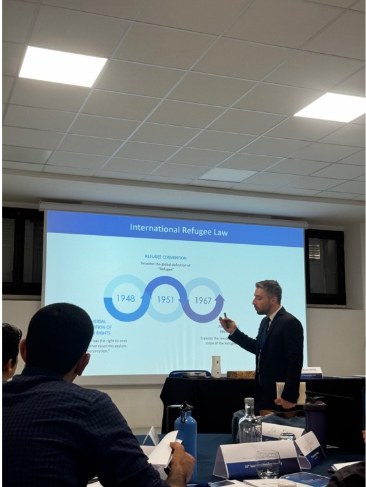
Similarly, the group exercises challenged us to analyze real-life humanitarian scenarios, interpret international legal instruments such as the Geneva Conventions and the 1951 Refugee Convention and its 1967 Protocol, and work collectively toward practical solutions. These exercises demonstrated that international law is rarely straightforward in practice. Different perspectives often lead to different legal interpretations, making dialogue, collaboration, and critical thinking essential components of humanitarian work.
Beyond the classroom, one of the greatest benefits of attending the Sanremo Summer School was building relationships with professionals working across governments, humanitarian organizations, academia, and international institutions. Informal conversations during breaks, meals, and group activities gave me a better understanding of how different countries approach refugee protection and humanitarian response. I left Sanremo with not only new knowledge but also professional relationships that I hope will continue well into the future.
Perhaps the most important lesson I am taking away from this experience is that effective humanitarian protection requires far more than strong legal frameworks alone. International law provides essential standards and safeguards, but its success ultimately depends on political will, institutional capacity, operational expertise, and sustained international cooperation.
At a time when humanitarian action faces growing political resistance and refugee protection is increasingly challenged in many parts of the world, this course reinforced the importance of defending international legal norms while also pursuing practical, innovative solutions that respond to today’s realities. Protecting people affected by conflict and displacement requires collaboration between lawyers, policymakers, humanitarian practitioners, governments, and affected communities themselves.
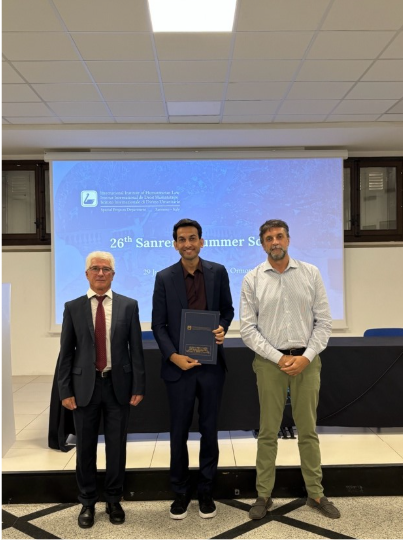
I am deeply grateful to the International Institute of Humanitarian Law for creating a learning environment that brought together expertise, practical experience, and global perspectives. The knowledge I gained, the people I met, and the conversations we shared will continue to shape my work for years to come.
As I continue my Pathways International-uOttawa Refugee Hub Fellowship, I hope to apply these lessons in my own work by helping develop more effective pathways and protection solutions for displaced communities. Sanremo reminded me that while international law provides the foundation, meaningful protection ultimately depends on people who are willing to turn those principles into action. That is something I will carry with me moving forward.