Summary of Supporting Self-Sufficiency: Considerations for Refugees Transition out of Sponsorship and Complementary Pathways Programmes

This article examines policy approaches that can assist refugees in transitioning from relying on volunteer support to living autonomously. Since 2015, states have increasingly engaged volunteers to assist refugees with settlement and integration activities. While programme designs vary across countries, volunteers typically commit to providing financial and/or logistical support to refugees for a designated period. After the support period ends, refugees are expected to navigate their new lives autonomously.

The views expressed are those of the author/s, and are not attributable to the host organisations of the Resettlement.Plus website.

Recent Updates

Refugee Hub Logo
Summary of Key Insights from Sponsorship in Rural Communities
Research on refugee sponsorship in rural communities explores how community-led initiatives can strengthen...
Read full article »
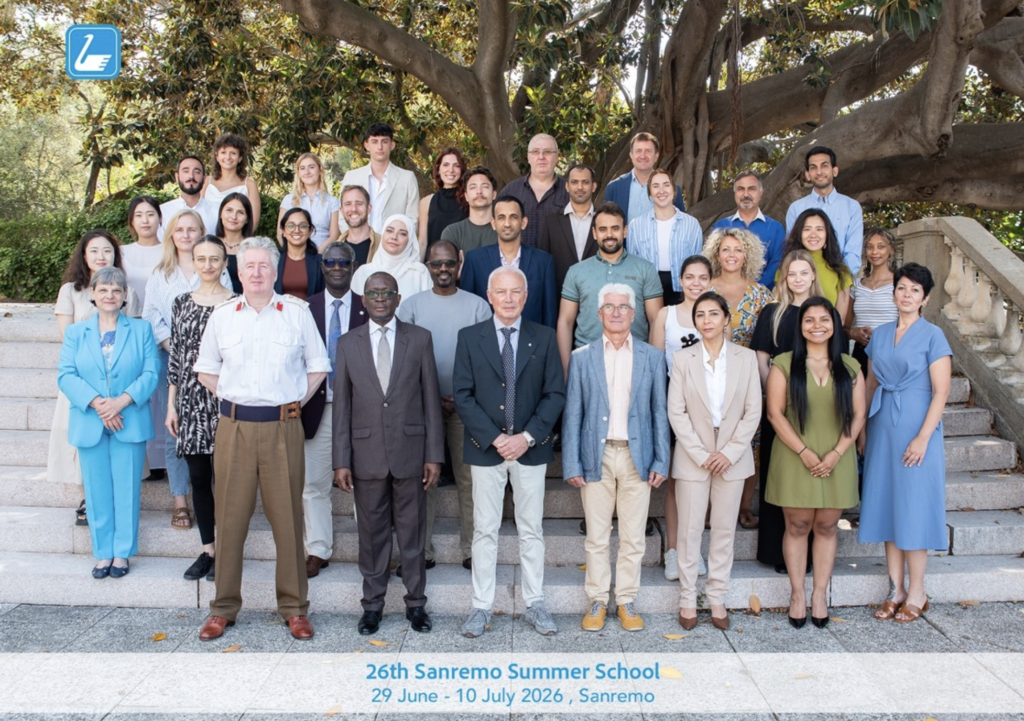
Sanremo Summer School 2026
Two Weeks in Sanremo: Strengthening My Commitment to Refugee Protection and International Humanitarian Law 
As a Pathways International-uOttawa Refugee Hub Fellow, Omer Malikyar attended the International Institute...
Read full article »
UNHCR
Exploring the PGRN 2027 and the Safe Pathways Update 
The UNHCR webinar on the 2027 Projected Global Resettlement Needs and Safe Pathways Update examined global...
Read full article »